Create safe, attractive pathways that connect your property and provide level surfaces for years of reliable use.
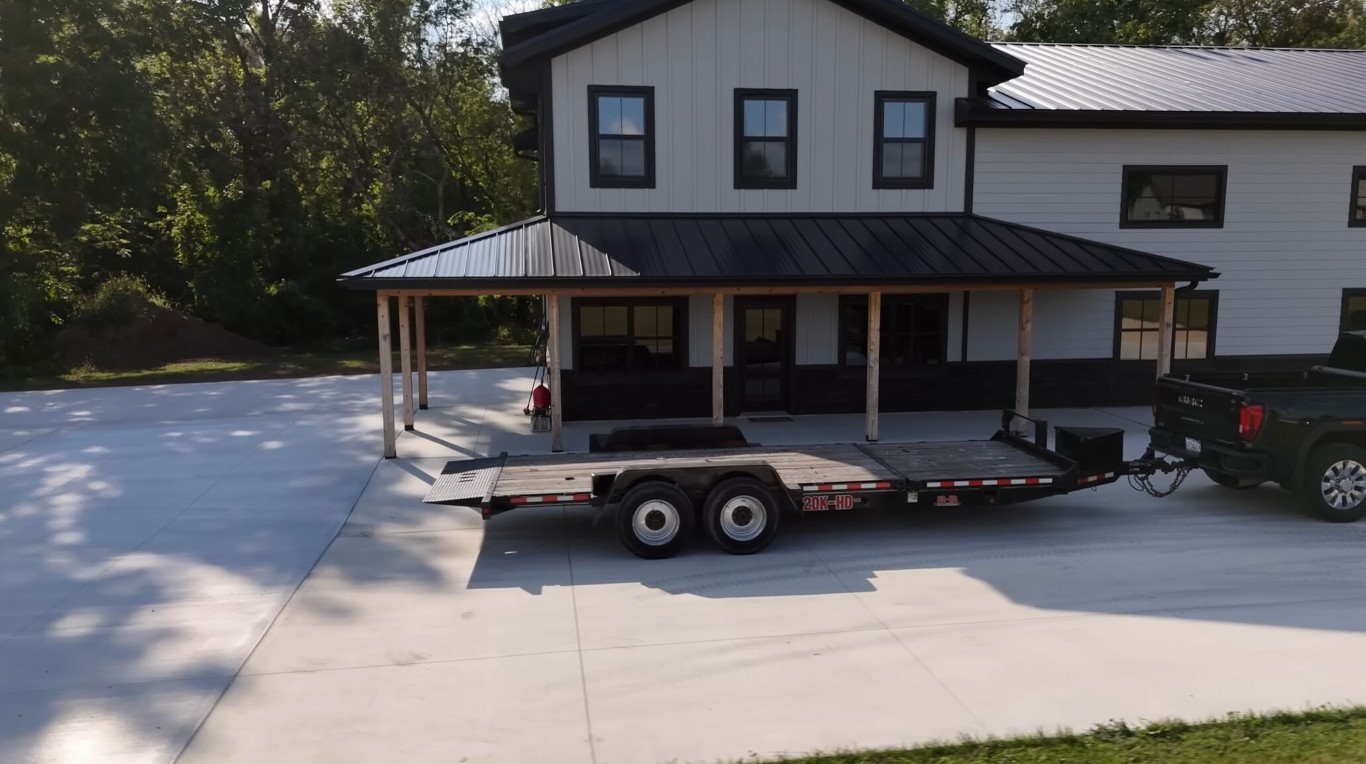
Your walkways get constant foot traffic in all weather conditions. People walk on them with wet shoes, track snow and ice across them in winter, and expect them to provide safe footing year after year. Concrete handles these demands better than most alternatives while requiring minimal maintenance.
Pavers might look nice initially but they shift over time, creating uneven surfaces that become trip hazards. Weeds grow between pavers no matter how carefully you install them. Individual pieces crack or stain and need replacing. Gravel paths require constant raking and replenishing as stones scatter. Mulch paths turn muddy when wet and need annual replacement. Wood decking rots, splinters, and needs regular maintenance.
Concrete sidewalks and walkways stay level, provide solid footing, and need almost no upkeep. A properly installed concrete path lasts 25 to 30 years with nothing more than occasional sweeping and power washing. The smooth surface is easy to shovel in winter. No weeds grow through solid concrete. You can walk on it barefoot without worrying about splinters or sharp stones. For high-traffic areas around your home, concrete simply makes the most sense. Working with a skilled concrete company that specializes in sidewalks and walkways ensures every detail, from base depth to control joint spacing, is handled correctly from the start.
Flatwork refers to any horizontal concrete surface, and we handle all types for residential and commercial properties. Each application has specific requirements for thickness, finishing, and installation details.
Your front walkway creates the first impression for visitors and provides the main path to your door. We typically install these 3 to 4 feet wide to allow two people to walk side by side comfortably. The path should slope slightly away from your house for drainage, typically a quarter inch per foot. We can pour straight paths, curved designs that follow your landscape, or widened areas near the entrance. A broom finish provides good traction, or you can upgrade to stamped patterns or exposed aggregate for enhanced appearance.
Public sidewalks along streets need to meet municipal codes for width, thickness, and accessibility. Most require 4 to 5 feet width minimum and 4 inches thickness. We ensure proper slope for ADA compliance and install detectable warning surfaces at curb transitions when required. Expansion joints go in at regular intervals to control cracking. These sidewalks take heavier use than residential walkways and need extra attention to base preparation and concrete quality.
Paths through landscaped areas can be narrower and more creative since they handle lighter traffic. We often install garden paths 2 to 3 feet wide with gentle curves that flow naturally through your yard. These work great for accessing gardens, connecting your patio to other areas, or creating defined routes through your landscape. You can choose decorative finishes like stamped stone patterns or exposed aggregate that complement your plantings and outdoor design.
Concrete pads provide stable surfaces for air conditioners, generators, trash bins, and equipment storage. These need proper thickness and base support to handle equipment weight without settling. We size them to fit your equipment with room for access and maintenance. Proper slope ensures water drains away from equipment. These practical flatwork installations protect your investment and keep heavy items off the grass where they would sink into soil.
Planning a complete outdoor project? We coordinate walkway installation with patio construction and driveway work for a unified design throughout your property.
Quality sidewalk and walkway installation requires proper planning and attention to detail at every step. We follow proven methods that ensure your concrete paths stay level, drain properly, and last for decades.
We start by marking the exact path layout with stakes and string lines so you can visualize the route before we dig. This lets you make any adjustments to width, curves, or placement. We identify underground utilities, sprinkler lines, and drainage areas that might affect installation. Slope gets calculated to ensure water runs off properly without creating low spots where puddles form. We plan control joint spacing to manage cracking and ensure clean sight lines.
Proper excavation removes grass, roots, and topsoil to reach stable ground. We dig deep enough to allow for gravel base and concrete thickness while keeping the finished surface at the right height relative to surrounding areas. A compacted gravel base goes down in layers, typically 4 to 6 inches total. This base provides drainage and prevents settling. We check compaction carefully since a soft base leads to cracking and sunken sections later.
Forms create straight or curved edges and contain the concrete during pouring. We set them level with proper slope for drainage. Wire mesh reinforcement goes in for added strength, positioned on supports so it sits in the middle of the concrete thickness. For long walkways, we install isolation joints where the path meets other structures like steps or driveways. These joints allow independent movement and prevent cracking.
We pour concrete and work it into all corners of the forms. Screeding levels the surface, and floating smooths it. We cut control joints at regular intervals, typically every 4 to 5 feet for a 4-foot-wide sidewalk. Final finishing creates your chosen texture, usually a broom finish for traction. Edges get rounded slightly to prevent chipping. The concrete then cures for several days before use. Proper curing develops full strength and ensures your walkway performs well for decades.
Ready to improve your property with quality concrete walkways? Contact our team for a free consultation and quote on your sidewalk or flatwork project.