Control erosion, create usable space, and enhance your property with professionally built retaining walls and masonry structures.
Sloped properties present challenges that retaining walls solve effectively. Soil erosion washes away your yard during heavy rain. Steep slopes make yard maintenance difficult and waste usable space. Uncontrolled runoff can threaten foundations or flood lower areas. A properly designed retaining wall holds back soil, stops erosion, and transforms unusable slope into functional terraced levels.
Maine weather makes erosion control especially important. Spring snowmelt and heavy rains send water rushing down slopes, carrying soil with it. Freeze-thaw cycles weaken unprotected slopes. Retaining walls engineered for local conditions hold firm through all seasons. They redirect water flow safely, prevent soil loss, and protect your property investment.
Beyond solving problems, retaining walls create opportunities. They let you build level areas for patios, gardens, or lawns on otherwise unusable slopes. Terraced landscaping adds visual interest and increases your usable yard space. Well-built walls enhance curb appeal and property value. Whether you need to solve a drainage problem or create an attractive outdoor feature, retaining walls deliver practical and aesthetic benefits.
Different situations call for different retaining wall solutions. We build various types of walls and masonry structures to match your specific needs, budget, and aesthetic preferences.
Concrete masonry blocks create strong, durable retaining walls suitable for most residential applications. These interlocking blocks stack together with pins or clips for stability. We excavate and prepare a level gravel base, then build the wall course by course, backfilling as we go. Drainage pipes behind the wall prevent water pressure buildup. Block walls work well for heights up to 4 or 5 feet and cost less than poured concrete walls. Many styles and colors let you match your home or create attractive landscape features.
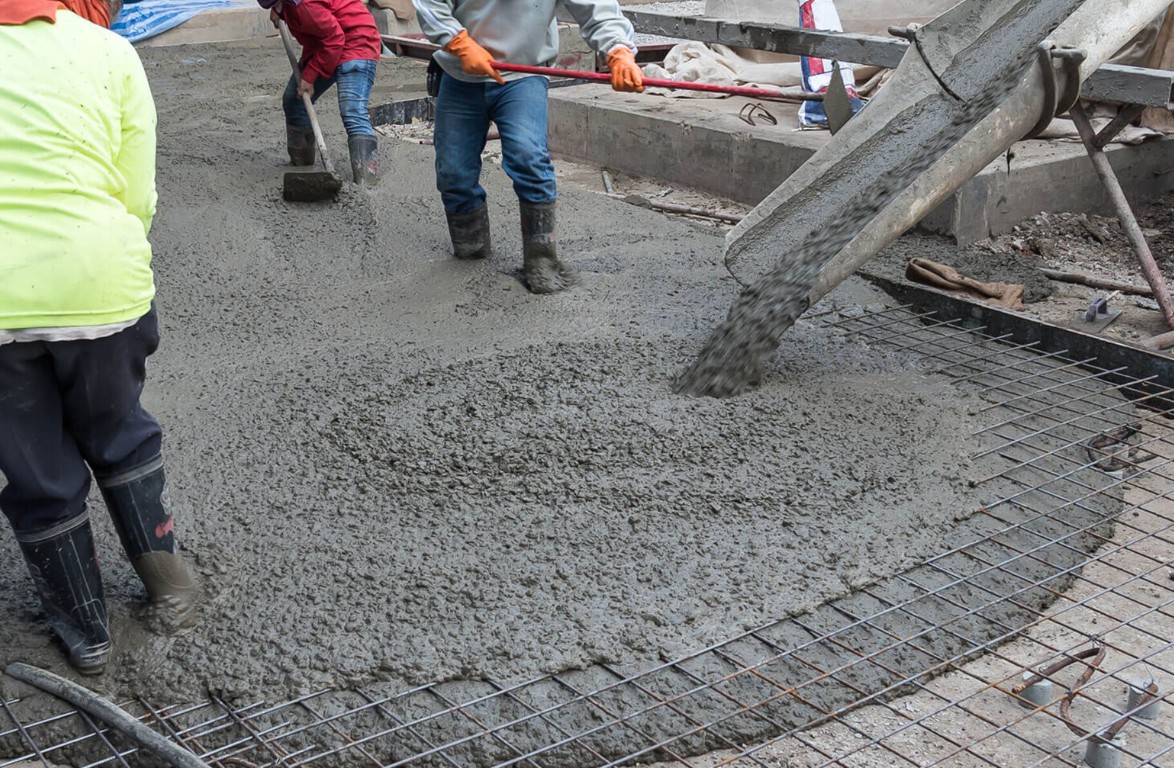
For taller walls or heavy-duty applications, poured concrete provides maximum strength. We excavate for a concrete footing below the frost line, install reinforcing steel, build forms, and pour concrete to create a solid wall. These walls can be finished smooth, textured, or faced with stone or brick. Poured walls work for any height and handle the highest soil pressures. They cost more than block walls but provide superior strength and longevity for demanding situations.
Stone masonry creates beautiful traditional walls with natural appeal. We can build walls using natural stone throughout, or use concrete block cores with stone veneer facing for the look of solid stone at lower cost. Stone walls complement rustic or traditional architecture and blend naturally with landscaping. These walls require skilled masonry work to ensure structural integrity while creating attractive appearances. Proper drainage and base preparation remain essential regardless of facing materials.
Beyond retaining walls, we build other concrete and masonry structures including freestanding garden walls, pillars and columns, outdoor fireplaces and fire pits, and architectural accents. These features add functionality and visual interest to your outdoor spaces. We match materials and styles to your existing hardscaping for a cohesive design throughout your property.
Planning a complete outdoor project? We can integrate retaining walls with patio installation and walkways to create beautiful, functional outdoor living areas.
Retaining wall failures happen when contractors skip important steps or underestimate the forces involved. We follow engineering principles and best practices to build walls that stay strong for decades.
Every retaining wall project starts with evaluating your site conditions. We measure slope angles, check soil types, and identify drainage patterns. The height and length of wall you need determines the design requirements. Taller walls need stronger construction with deeper footings and more reinforcement. We consider what will be above and below the wall, how water flows through the area, and any site access challenges for equipment. This assessment ensures we design a wall appropriate for your specific situation.
The foundation makes or breaks a retaining wall. We excavate below the frost line and create a level base of compacted gravel. For poured walls, concrete footings provide a solid foundation. Block walls sit on leveling pads that distribute weight evenly. The base must be rock solid because any settling will crack the wall above. We take time to get this right because you cannot fix a poor foundation after the wall is built.
Water pressure destroys retaining walls faster than any other factor. We install drainage pipes behind walls to collect groundwater and channel it away safely. Gravel backfill allows water to flow down to the drain pipes rather than building pressure against the wall. Weep holes in the wall face let water escape. For larger walls, we may install multiple drainage layers. Proper drainage means your wall holds back soil, not water, dramatically extending its lifespan.
We build walls straight and level, checking frequently as work progresses. Blocks get pinned and adhesive applied for security. Poured walls receive proper reinforcement placement before concrete arrives. As the wall goes up, we backfill carefully in layers, compacting as we go. This prevents voids that would allow settling. We slope the area behind the wall away from the structure to direct surface water away. Quality construction at every step ensures your wall performs as designed.
Ready to solve your slope and erosion problems? Contact our team for a site evaluation and detailed proposal for your retaining wall project.